 Collage: Paula Balondo; Source images: Courtesy of brandsSave this storySave this story
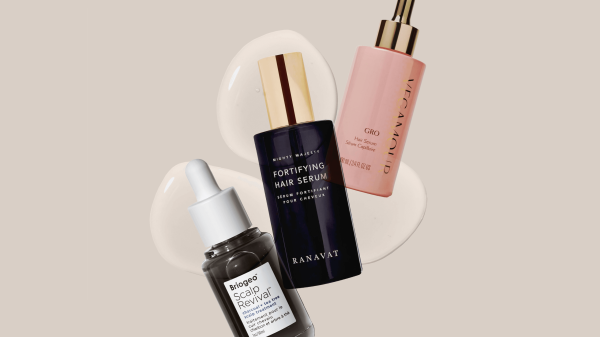
Is your part looking a little wide? Hair feeling thin? First, the good news: Finding the best hair-growth serum, available over-the-counter and in your local beauty aisle, can wave a thickening wand over your hair, making your strands fuller, denser, and more ripe for flipping or fluffing after a few months.
But alas, serums aren’t a cure-all for hair loss. “If one has active hair loss, it is important to see a board-certified dermatologist, as there can be underlying issues or a hormonal component at the root of it,” says Margarita Lolis, MD, a board-certified dermatologist and Mohs surgeon based in New Jersey. “With that said, if you just want to promote hair growth and thickness, then there are many hair-growth serums available.”
Our Top Hair-Growth Serums
- Best Overall: Rogaine Women's 5% Minoxidil Foam, $30
- Best for Sensitive Scalps: Briogeo Scalp Revival Charcoal + Tea Tree Serum, $32
- Best for Fine Hair: Nutrafol Hair Serum, $69
- Best for Early Signs of Hair Thinning: Vegamour Gro Hair Serum, $64
Frequently Asked QuestionsLargeChevron
- What serum is best for hair growth?
- Do hair-growth serums work?
- How long does it take to see growth?
- Do essential oils work for hair growth?
- Meet the experts
- How we test and review products
- Our staff and testers
Ahead, Dr. Lolis and other board-certified experts weigh in on the ingredients to look for in the best hair-growth serum (and how they work), provide their recommendations for the most effective formulas you can snap up without a subscription, and deliver some hard truths about what these serums can’t do—and what they certainly can’t do overnight. Nevertheless, anyone looking for smoother, stronger hair can trust that the selection below represents the best serums for bringing their healthy hair visions to life.
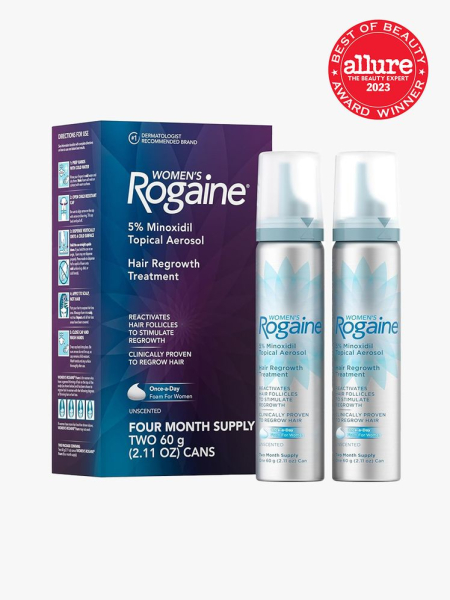
Best Overall: Rogaine Women's 5% Minoxidil Foam
 Save to wishlist
Rogaine
Women's 5% Minoxidil Foam
Amazon
Walmart (2-Pack)
Why we love it: Not only is minoxidil derm-backed and one of just two FDA-approved drugs for hair growth (alongside finasteride, a prescription pill primarily for men), it’s also one of the most well-studied ingredients we’ve had for decades. And the results aren’t exactly subtle—research shows it can boost hair density by up to 38%. That alone puts Rogaine Women's 5% Minoxidil Foam—a multi Best of Beauty Award winner—in a different category than the usual let’s-hope-for-the-best formulas.
The 5% concentration—the strongest you can get without a prescription—"causes the hair to go into the anagen, or active-growth phase, earlier than it would have and for a longer period of time," explained Brookline, Massachusetts-based board-certified dermatologist Papri Sarkar, MD, previously told Allure. While men have long had access to 5% formulas, the women’s version wasn’t FDA-approved at that strength until 2020 (it previously capped at 2%). "The 5% concentration has the most consistent evidence for promoting terminal hair regrowth in androgenetic alopecia versus lower strengths,” says Dara Spearman, MD, a board-certified dermatologist based in Fort Wayne, Indiana.
What really sets the foam apart, though, is the lightweight, fast-absorbing texture. “This foam formulation allows women to continue to style their hair without it feeling greasy,” Chestnut Hill, Boston-based board-certified dermatologist Brooke Sikora, MD, told Allure. It’s also a rare once-daily treatment for women; however, "if you stop using the product, the hair you regrew while on it will fall out,” said Dr. Sarkar. It’s essentially a long-term commitment, but for many, fuller, thicker hair makes it worth it.
More to know
LargeChevron
- Key ingredients: 5% minoxidil, glycerin
- Who it’s for: people with hair loss
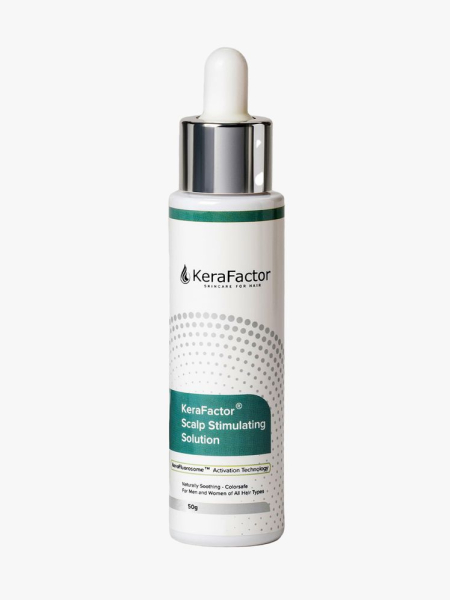
Best for Postpartum: KeraFactor Scalp Stimulating Solution
 Save to wishlist
KeraFactor
Scalp Stimulating Solution
KeraFactor
Why we love it: “KeraFactor’s Scalp Stimulating Solution is a blend of growth factors and peptides designed to support hair growth,” says Viktoryia Kazlouskaya, MD, a board-certified dermatologist based in New York City. “It can also be used during post-pregnancy, which makes it a helpful option for patients looking for a safer alternative,” she adds—especially compared with treatments like minoxidil, which are often approached with more caution during breastfeeding. Growth factors themselves aren’t exactly new territory; they’re signaling proteins your body naturally produces to tell cells to grow, repair, and regenerate. In topical form, the idea is that they can help nudge follicles back into a more active growth phase. The formula delivers seven biomimetic growth factors, including copper tripeptide-1, to support thinning and stressed follicles, while niacinamide and panthenol help keep the scalp balanced. It also uses a proprietary nanofluorosome delivery system to enhance absorption, making it feel more targeted as shedding begins.
Postpartum shedding, while often intense, is typically temporary—a result of shifting hormones that push more hairs into the shedding phase at once. There’s limited data on any topical products specifically in the postpartum period—largely because they aren’t tested on breastfeeding women—but “we don’t have evidence suggesting growth factors are unsafe,” she says. If you’re not breastfeeding, dermatologists consider this option fair game, though it’s still worth checking in with your doctor if you have specific concerns.
More to know
LargeChevron
- Key ingredients: biomimetic growth factors, niacinamide, panthenol
- Who it’s for: people with postpartum hair loss
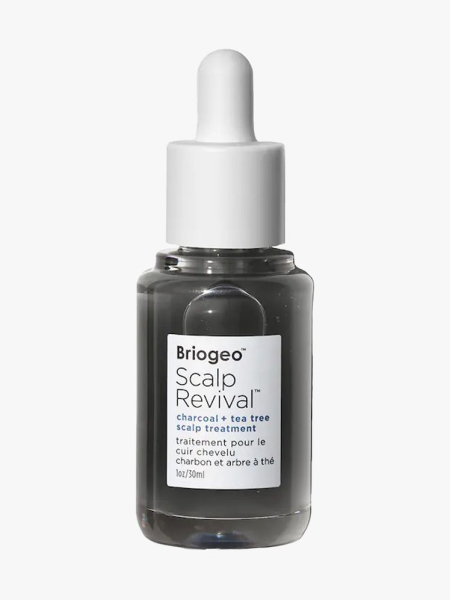
Best for Sensitive Scalps: Briogeo Scalp Revival Charcoal + Tea Tree Serum
 Save to wishlist
Briogeo
Scalp Revival Charcoal + Tea Tree Serum
Amazon
Nordstrom
Sephora
Why we love it: Think of your scalp like soil—if it’s irritated or out of balance, healthy hair has a harder time taking root (pun intended). Research supports this, showing that a balanced scalp microbiome plays a key role in supporting strong, consistent hair growth. “For sensitive scalps, I like the Briogeo Scalp’s Revival Charcoal + Tea Tree Serum, which calms irritation and flakiness with soothing botanicals like tea tree oil, witch hazel, and aloe,” says Dr. Spearman. “It’s free of sulfates, silicones, and synthetic fragrances, which are common triggers for irritation. My patients with scalp redness and itch often appreciate how it cools and balances without stinging.” The charcoal helps lift buildup, while the overall formula resets the scalp environment—creating healthier conditions for hair to grow in stronger over time.
More to know
LargeChevron
- Key ingredients: charcoal, tea tree oil, witch hazel, aloe
- Who it’s for: people with sensitive scalps
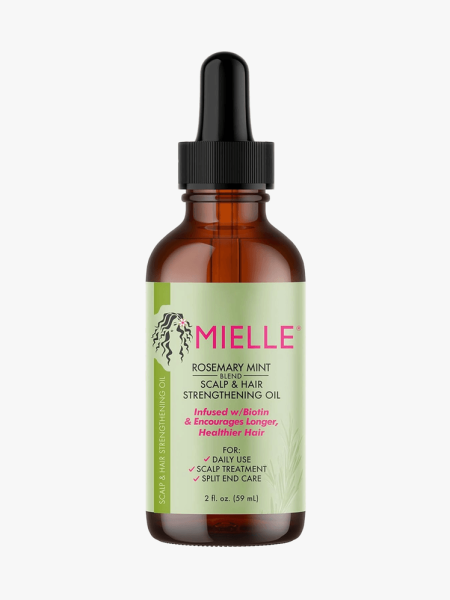
Best for Textured Hair: Mielle Organics Rosemary Mint Scalp & Hair Strengthening Oil
 Save to wishlist
Mielle Organics
Rosemary Mint Scalp & Hair Strengthening Oil
Amazon
Ulta Beauty
Why we love it: Hair loss in textured hair isn’t always about shedding; it’s often tied to breakage, dryness, or tension from styles that put stress on already fragile strands. “For textured hair, especially when traction is contributing to thinning, Mielle Organics’ Rosemary Mint Scalp & Hair Strengthening Oil is a strong option because it supports scalp hydration while helping reduce breakage around fragile edges,” says Hannah Kopelman, MD, a board-certified dermatologist based in New York City. “Many patients like that it integrates easily into protective styling routines.”
The formula features nourishing oils such as castor, jojoba, and coconut, along with rosemary and peppermint to help stimulate the scalp. One small study found peppermint oil even outperformed minoxidil in early hair-growth results (in mice), likely due to its ability to boost circulation and kick follicles into growth mode. Add in biotin and vitamin E, and you’ve got a treatment that supports both scalp health and hair retention.
The oil has also earned Best of Beauty and Readers' Choice Awards and a spot in the Allure Beauty Box—though it hasn’t been without some discussion. It went viral amid concerns about increased shedding, but experts noted that factors such as ingredient sensitivities or underlying hair conditions could be at play. In other words, it’s not one-size-fits-all, but for many, including numerous Allure editors, it remains a staple.
More to know
LargeChevron
- Key ingredients: castor, jojoba, and coconut, rosemary and peppermint oils, biotin, vitamin E
- Who it’s for: people with textured hair
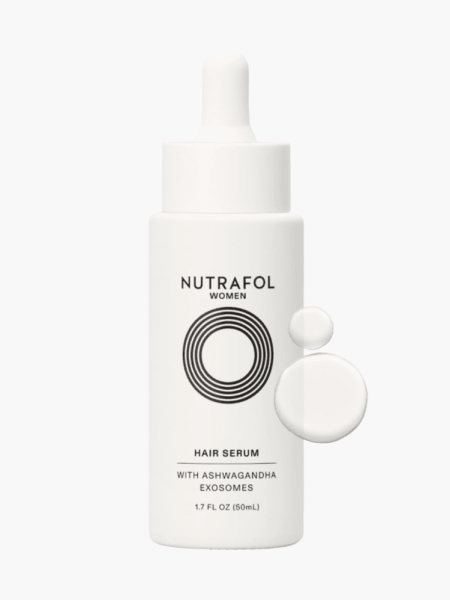
Best for Fine Hair: Nutrafol Hair Serum
 Save to wishlist
Nutrafol
Hair Serum
Amazon
Ulta Beauty
Sephora (3-Pack)
Why we love it: You might recognize the brand from its supplements, but “Nutrafol’s Hair Serum is a powerful topical treatment designed to support visibly thicker and stronger hair,” Dr. Lolis says. She points to its key ingredients—ashwagandha exosomes, pea sprout extract, and maca—as a powerful cocktail for better scalp health and reduced hair breakage. Now, about that ashwagandha: Though the ingredient is thought to help stimulate keratin production and is commonly used in hair products to deliver thicker, stronger, healthier hair, Nutrafol’s version of the adaptogen is a bit different. “The ashwagandha exosomes are unique to Nutrafol and are 1,500 times smaller than regular ashwagandha,” Dr. Lolis explains. “This allows deeper penetration into the scalp to promote cell renewal and create an optimal environment for hair growth.”
More to know
LargeChevron
- Key ingredients: ashwagandha exosomes, pea sprouts, Irish moss peptides
- Who it’s for: people with thinning hair
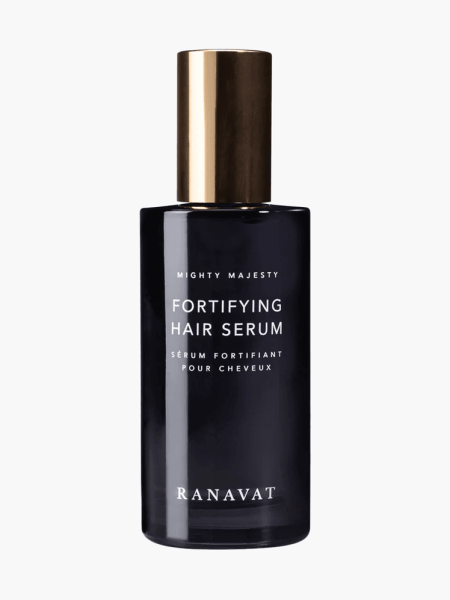
Best Pre-Shampoo: Ranavat Mighty Majesty Fortifying Hair Serum
 Save to wishlist
Ranavat
Fortifying Hair Serum
Amazon
Sephora
Why we love it: The Ranavat Mighty Majesty Fortifying Hair Serum is a favorite of Kiran Mian, MD, a board-certified dermatologist based in New York City. The flyaway-taming formula blends jasmine oil (for hydration and softness), amla extract (to promote hair growth), and sunflower oil (which helps with frizz control and scalp health). In all, the serum helps hair look glossy while protecting it from heat damage. “I love its texture,” Dr. Mian says. It can also be used as an overnight hair mask. “The pump makes it easy to apply, and the formula is not too sticky, making it easy to wash out,” she says.
More to know
LargeChevron
- Key ingredients: alma extract, jasmine oil, sunflower oil
- Who it’s for: people with frizzy or damaged hair
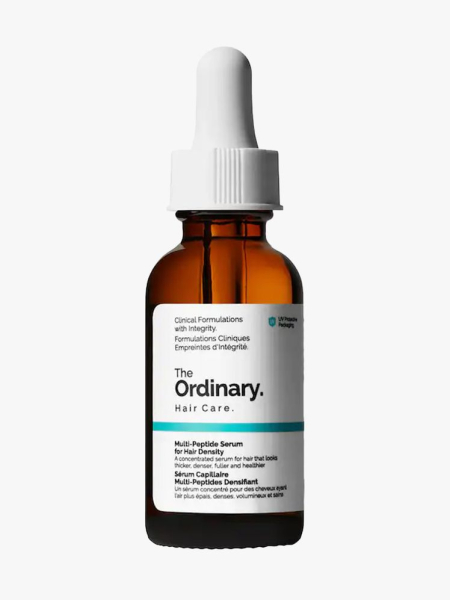
Best Budget: The Ordinary Multi-Peptide Treatment for Hair Density
 Save to wishlist
The Ordinary
Multi-Peptide Treatment for Hair Density
Amazon
Nordstrom
Sephora
Why we love it: Known for affordable skin care with few bells and whistles and lots of highly concentrated ingredients, The Ordinary puts peptides at the heart of its Multi-Peptide Treatment for Hair Density. Buzzy in the land of skin care for their ability to stimulate collagen and elastin production, peptides are key players in scalp health as well. The amino-acid chains are known to moisturize the scalp, increase blood flow, help hair follicles grow, and tamp down inflammation—all ideal for hair growth. “This is an affordable and effective option,” Dr. Lolis says of the under-$25 salve. “It utilizes peptides, caffeine, and zinc to strengthen hair at the roots, exfoliate the scalp, and improve circulation. I also love this serum for those with dandruff-prone scalps as it helps reduce buildup and inflammation.”
More to know
LargeChevron
- Key ingredients: peptides, caffeine, zinc
- Who it’s for: people with thinning hair, hair loss, or dandruff
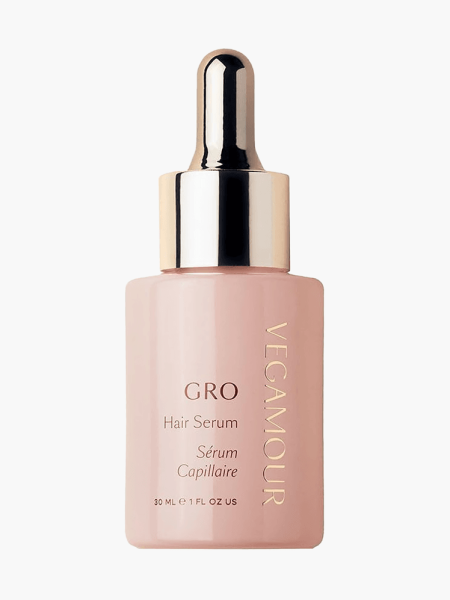
Best for Early Signs of Hair Thinning: Vegamour Gro Hair Serum
 Save to wishlist
Vegamour
Gro Hair Serum
Amazon
Sephora
Why we love it: If you’re catching early signs of hair loss—less density at the roots, a widening part, a ponytail that feels a little thinner—Vegamour’s Gro Hair Serum is one Dr. Lolis reaches for before shedding really ramps up. The formula relies on plant-based actives like red clover and mung bean sprout extract to support follicle activity, while caffeine- and turmeric-conditioned media energize the scalp and keep things balanced. There’s also a mix of biomimetic peptides (derived from Nicotiana benthamiana) designed to support healthier-looking, fuller strands over time.
“The serum is clean, lightweight, and safe for all scalp types—even sensitive scalps,” says Dr. Lolis. It layers easily without buildup, making it the kind of treatment you can actually stick with.
More to know
LargeChevron
- Key ingredients: biomimetic peptides, turmeric, caffeine, mung bean, red clover blend
- Who it’s for: thinning hair of all types and textures
Frequently Asked Questions
What serum is best for hair growth?
It’s okay to expect a lot from your hair-growth serum, especially when you’re shopping for the best hair growth serum. “A good hair-growth serum should reduce hair shedding, increase hair diameter, increase the growth phase of hair, decrease scalp inflammation, and be gentle on the scalp,” Dr. Amin says. “The ingredients I look for are rosemary oil, amla oil, caffeine, green tea, and coconut oil, to name a few. These ingredients have been shown to improve hair strength, promote growth, and undo damage.”
Dr. Lolis adds that many common conditions behind hair loss—including androgenic alopecia and telogen effluvium—are triggered by the hormone dihydrotestosterone (DHT), which can bind to hair follicles and cause them to shrink. “With androgenic alopecia, we typically prescribe medications that block DHT, an enzyme that causes hair loss. However, there are many natural DHT blockers to look out for, such as saw palmetto and zinc,” she says. (You can find zinc in The Ordinary’s Multi-Peptide serum.) Otherwise, Dr. Lolis suggests: “Look for active ingredients like biotin and caffeine, which improve hair strength and stimulate growth.”
Do hair-growth serums work?
“Many hair-growth serums include non-medicated ingredients,” Dr. Amin says. (Translation: You don't need a prescription for most of them.) “The efficacy of the serums is difficult to ascertain because there are not many randomized controlled clinical trials.”
However, anecdotally, Dr. Lolis has seen evidence that the serums work—especially when they’re used as intended. “Ingredients like biotin and caffeine support the scalp’s environment, helping nourish hair follicles, which can result in denser, stronger hair [over time],” she says. In short, the how-tos on the packaging are required reading, and you should try to adhere to the recommended guidelines if you want to feel blessed in the hair follicles department.
How long does it take to see growth?
“Most users report seeing visible improvements, such as reduced shedding and new hair growth, after about three months of consistent use,” Dr. Lolis says. Dr. Mian agrees, adding that patience is key here. “Hair-growth serums can take a while to show their efficacy,” she says. “I would use a serum for at least three months before deciding if it’s working or not.”
Do essential oils work for hair growth?
Essential oils might help with hair growth, but they can be hit or miss, according to Omer Ibrahim, MD, a board-certified dermatologist based in Chicago. While it’s not yet fully understood how these oils work to promote hair growth, theories abound. “One theory is that these essential oils help increase blood flow to the scalp, and that promotes hair growth,” he says. “Another is that by simply improving the health of the scalp by providing essential fatty acids to the hair follicles, essential oils help hair grow out healthier to give the appearance of thicker hair and also create a fertile ground for hair growth." He also posits that oils that are inherently anti-inflammatory may support the scalp's natural microbiome.
That said, not all essential oils are created equal. Below, Dr. Ibrahim breaks down the benefits (and drawbacks) of commonly used oils.
- Rosemary oil shows promise: “Rosemary oil has been shown to help with hair growth, with results similar to that of 2% minoxidil,” he says.
- Castor oil is a no-go: “Castor oil, another popular oil touted for hair growth, doesn’t have strong evidence of stimulating hair growth in clinical settings,” Dr. Ibrahim says. “However, it helps with hair luster and conditioning, which helps prevent hair breakage due to dryness or brittleness."
- Ginseng extract might work: “Ginseng extract—not an essential oil per se, but found in a lot of scalp oils geared for thinning hair—has good studies showing that it helps both prevent hair loss and promote hair growth," he says.
- Peppermint oil isn’t one-size-fits-all: Peppermint oil is a buzzy hair-growth ingredient—and while some research and experts point to its ability to boost circulation, it’s not a universal win for every scalp. Dr. Ibrahim notes that oils that create a strong cooling or tingling sensation can be irritating for some people. “That can actually irritate the scalp, which contributes to hair thinning over time,” he says. In other words, it’s less about avoiding peppermint oil entirely and more about paying attention to how your scalp responds, especially if you’re prone to sensitivity.
Meet the experts
- Omer Ibrahim, MD, a board-certified dermatologist and founder of Salmalita Cosmetics, based in Chicago
- Viktoryia Kazlouskaya, a board-certified dermatologist based in New York City
- Hannah Kopelman, MD, a board-certified dermatologist at Kopelman Hair Restoration, based in New York City
- Margarita Lolis, MD, a board-certified dermatologist and Mohs surgeon based in New Jersey
- Papri Sarkar, a board-certified dermatologist based in Brookline, Massachusetts
- Brooke Sikora, a board-certified dermatologist at SkinCare Physicians based in Chestnut Hill, Boston
- Dara Spearman, a board-certified dermatologist at Radiant Dermatology Associates based in Fort Wayne, Indiana
How we test and review products
We always enlist a range of testers for our makeup vertical, but hair-care products and tools are another story. While there are certainly products that can be used across different hair textures, lengths, curl patterns, thicknesses, colors (natural and unnatural), and needs, hair products are often created with specific consumers in mind. Many are created in order to address a concern (dandruff, breakage, brittleness) or to work most effectively for a specific hair type (4C curls, wavy hair, gray hair). You wouldn't want to pick up a purple shampoo that’s only been reviewed by someone with, say, auburn hair, or a diffuser that’s never been tested by anyone with curls—right?
For our review of the best hair-growth serums, we enlisted the help of multiple editors, writers, contributors, and dermatologists to find the most hydrating, strand-softening formulas out there. Testers considered performance across four primary categories: efficacy, texture and experience, fragrance, and packaging. For more on what's involved in our reporting, check out our complete reviews process and methodology page.
Our staff and testers
A beauty product is a personal purchase. You might be searching for a face cream to address persistent dryness or a new nail product to add to your Sunday self-care routine; you may simply be browsing around for the latest launches to hit the hair market. No matter what you seek or your individual needs and concerns, Allure wants to ensure that you love anything we recommend in our stories. We believe that having a diverse team of writers and editors—in addition to the wide range of outside testers and industry experts we regularly call upon—is essential to reaching that goal.
After all, can we really say a skin-care product is the "best" for people over 50 if the only testers we've solicited opinions from folks who have yet to hit 30? Can we honestly deem a high-end diffuser worthy of your hard-earned cash if it’s never been tested on curls? We're proud that our staff spans a wide range of ages, skin tones, hair textures, genders, and backgrounds, which means that we are able to fairly assess any beauty product that comes into the beauty closet.
Leave a Reply